Challenge Understanding
When analyzing the pet care market, I identified a critical pain point: guilt and anxiety. Owners who need to travel often face a dilemma—leaving their pets in "pet hotels" or kennels often feels impersonal, cold, and restrictive. On the other hand, leaving them with a stranger carries a high risk of mistrust. Existing solutions were either overly commercial (cages/kennels) or lacked the necessary security measures to trust a private individual.
I saw an opportunity to create a platform based on transparency and compatibility. The user needs more than just a "sitter"; they need to know whether the house has a backyard, whether there are other dominant dogs, and whether the environment is quiet enough for a nervous cat.
The core problem wasn't just finding a place—it was validating trust. The design needed to reassure users that the "hosts" were real people, thoroughly investigated and vetted, offering a home environment that mimics the pet’s daily life, unlike the clinical feel of a traditional boarding facility.
Design Approach
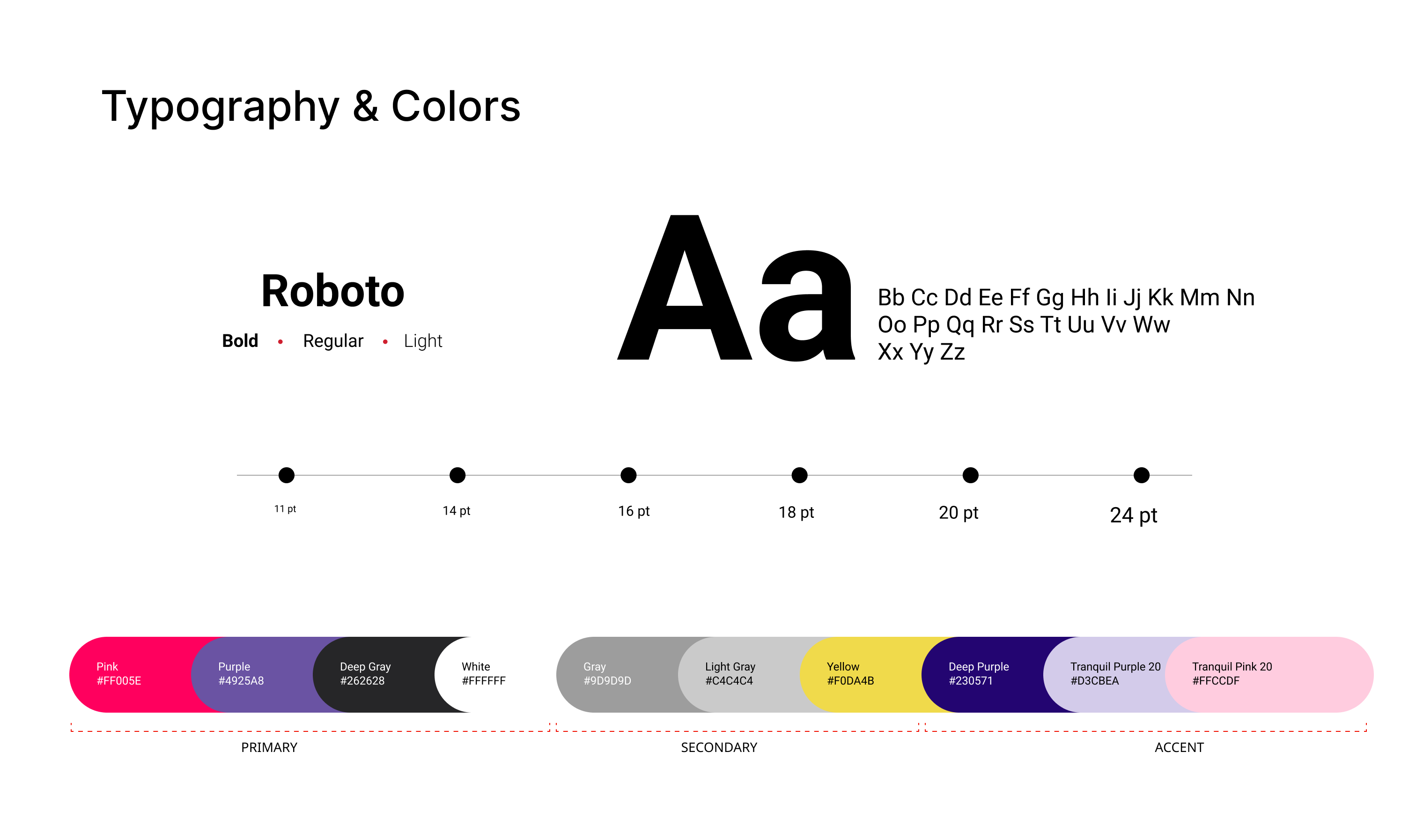
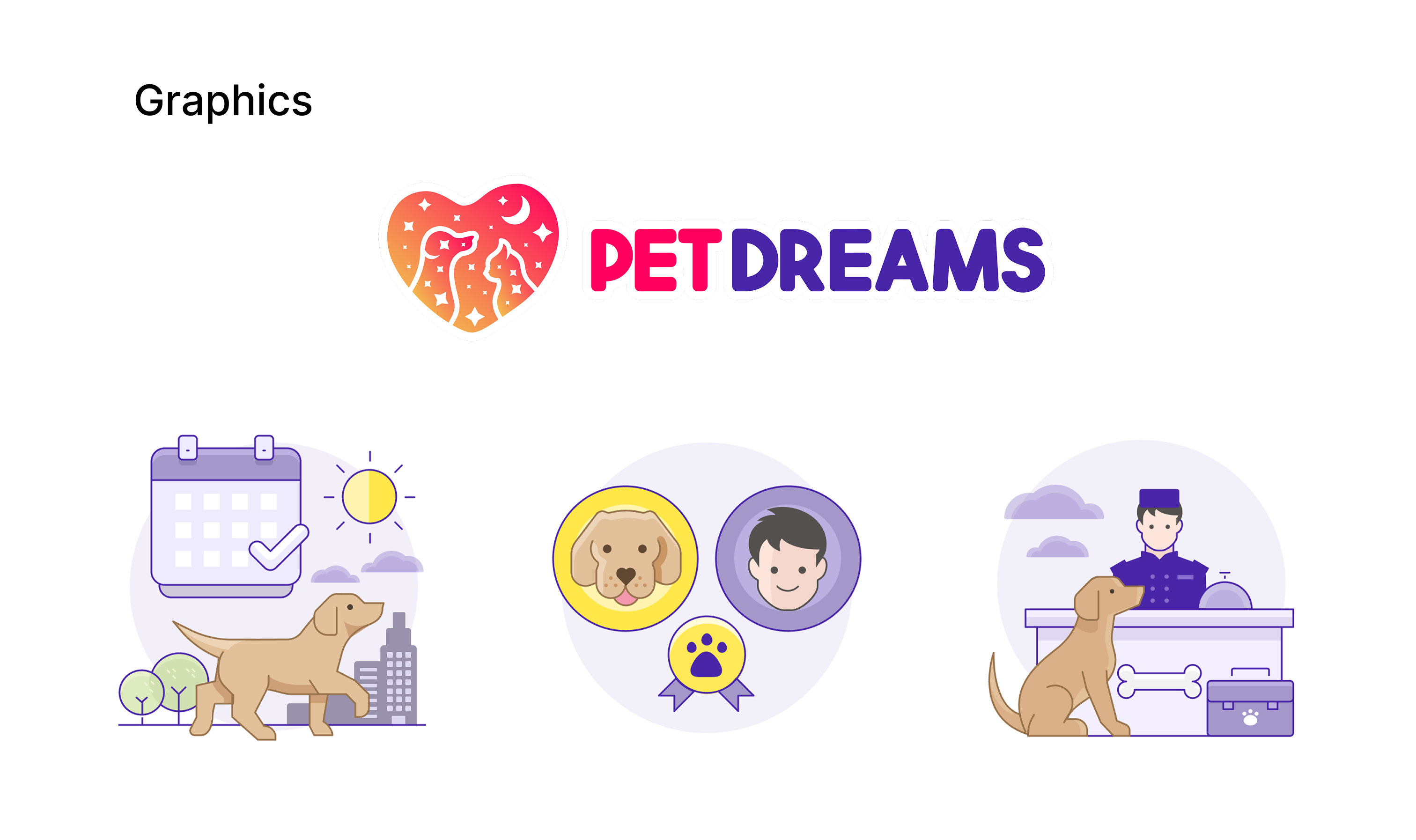
My design strategy focused heavily on Trust Design and Clarity. Since the service relies on peer-to-peer interaction, the interface had to communicate safety immediately. I developed a visual identity that felt warm and community-driven, moving away from clinical aesthetics.
I prioritized the "Matchmaking" aspect of the UX. Rather than a simple directory, I designed a filtering system that lets users search by specific needs: "Has enclosed garden," "No other pets present," or "Experience with senior dogs."
For the visual style, I used a clean, reassuring layout that highlights photography—allowing owners to see where their pet will sleep and play clearly. The UI elements were designed to guide the user through the vetting data, making the host’s verification badges and reviews prominent to reduce decision-making friction.
Visual design:
Implementation/Integration
Implementation focused on three core pillars: The Vetting System, Detailed Profiles, and Compatibility Checks.
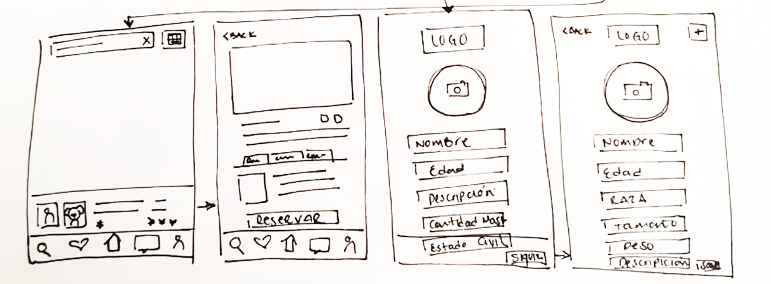
I designed a robust "Pet Profile" flow that lets owners specify not just breed and age, but also behavioral traits (e.g., "fear of thunder," "doesn't get along with male dogs"). This ensures that when a booking is requested, the host knows exactly if they can handle the pet.
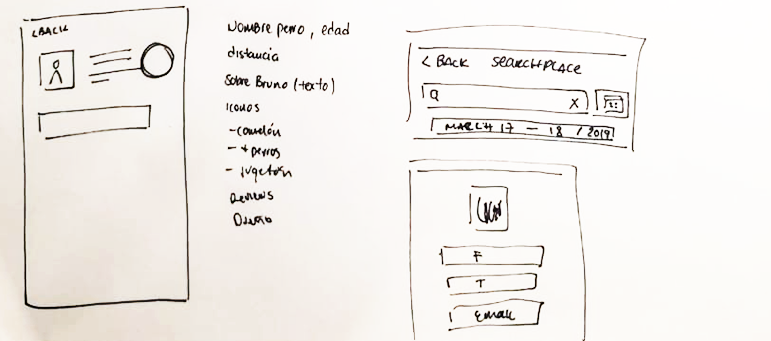
For the "Host Discovery" feature, I integrated specific data points crucial for decision-making:
* Environment visuals: Dedicated sections to showcase green areas, fences, and sleeping spots.
* Resident pets: A transparent view of what other animals live in the host's house to assess compatibility.
*Verification indicators: Visual badges showing that the host passed the platform's background investigation.
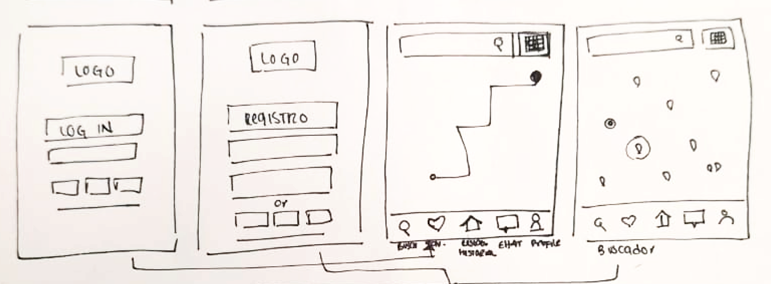
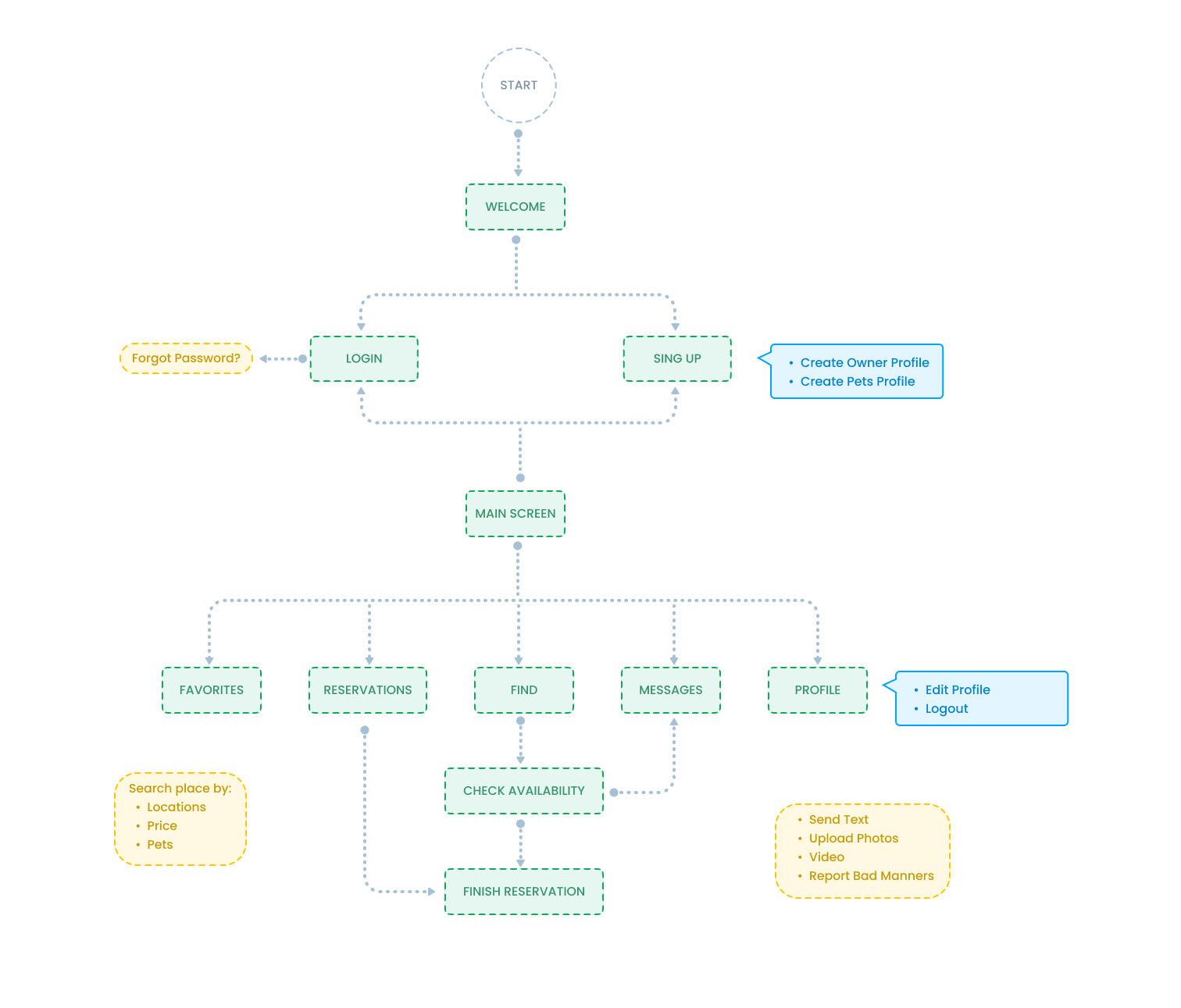
I focused on the critical path of the user: Onboarding ----> Creating their Pet's Bio ----> Searching for a Host with filters ----> Reviewing the Host's home and credentials ---->Booking.
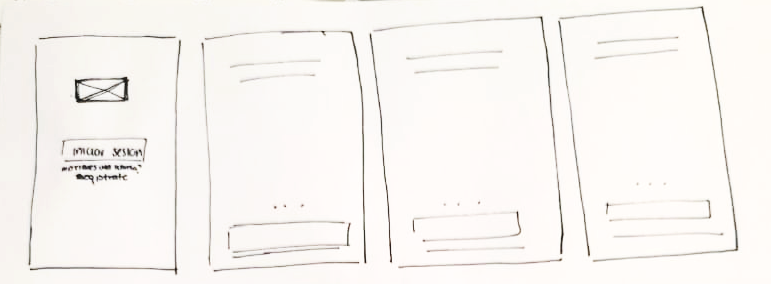
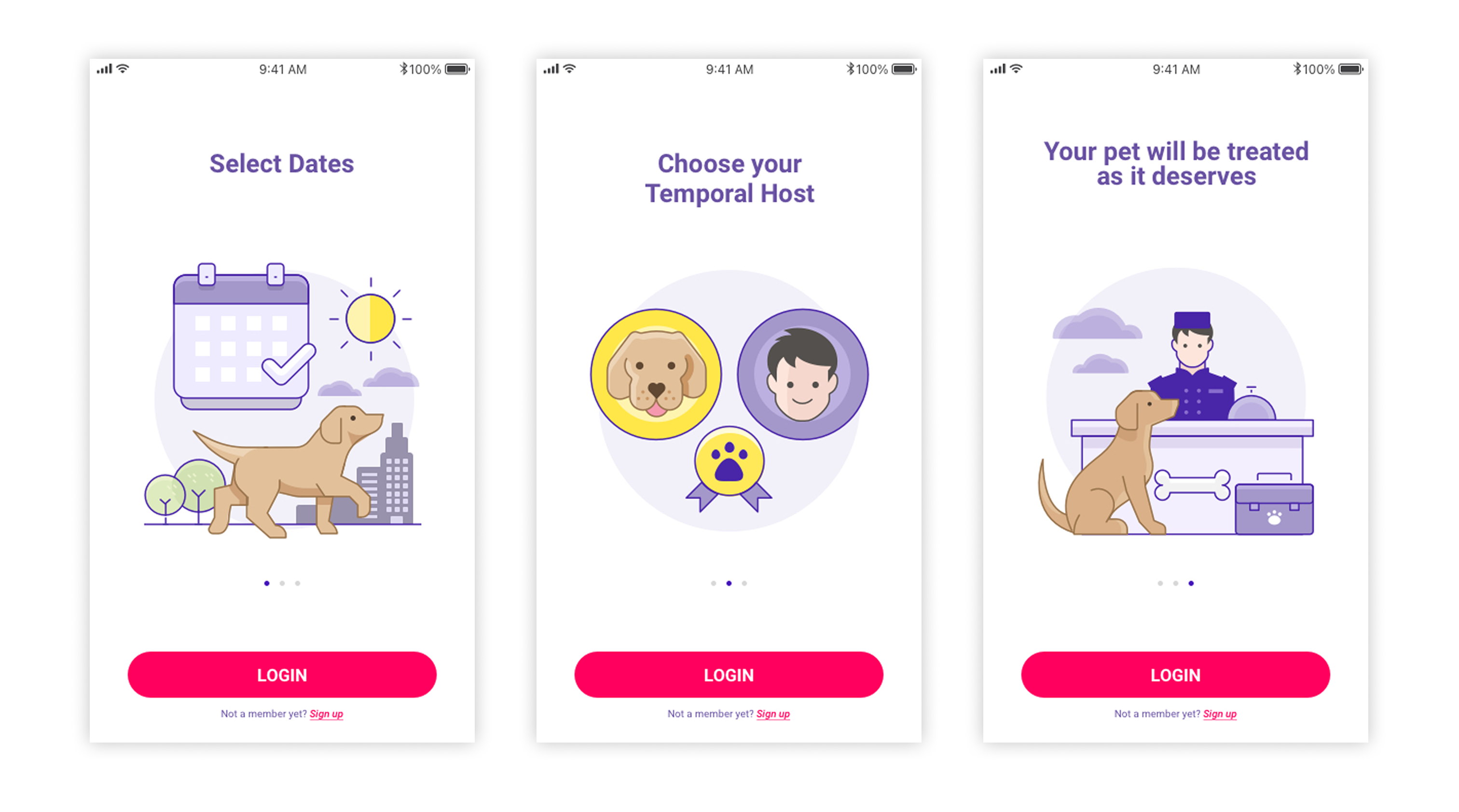
Onboarding & Value Proposition:
A clean, three-step walkthrough designed to build immediate trust. The flow concisely illustrates the platform's core model: connecting pet owners with verified local hosts for a safe, cage-free experience.
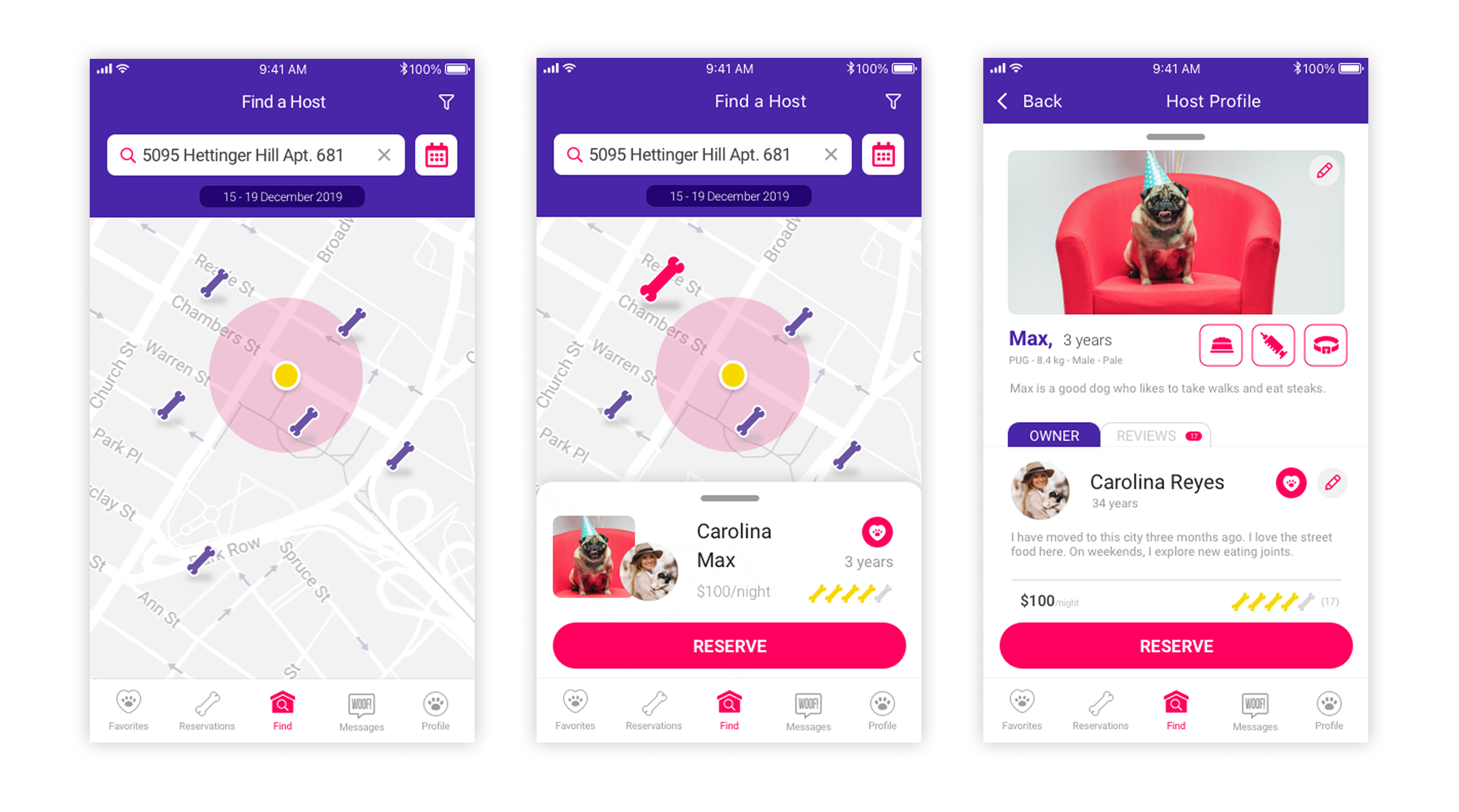
Smart Filtering & Host Details:
A streamlined search experience allowing owners to filter by specific home features and care capabilities. Profile screens are designed to prioritize trust signals, showcasing verified badges, real environment photos, and detailed host credentials.
Results, Impact & Learnings
The final prototype successfully addressed the "kennel anxiety" problem by offering a human-centric solution. The design demonstrated that by focusing on granular details—like yard availability and social compatibility—an app can build the necessary trust for a peer-to-peer model to work in the pet care sector.
Key deliverables included a comprehensive search and booking flow, a trust-focused UI system, and detailed profile architectures for both pets and hosts. The project showcased an ability to solve complex service design problems, specifically how to digitize "trust" and facilitate offline interactions through a digital interface.
This personal project taught me the importance of Information Architecture in marketplaces. I learned that for users to trust a platform with a loved family member, the design must be transparent, and the data must be relevant. It honed my skills in anticipating user fears and addressing them proactively through UI elements, a skill essential for designing any product requiring high user trust.